
Your cart is currently empty!


What is good wine for? The point of good wine is to be delicious, and to make food taste good. So these two Lambruscos from Marco Uccellari at Zanasi are perfect wines; they are delicious, and they make all kinds of food taste good, from pizza to some of the famous specialties from around Modena, where they are made, such as Prosciutto di Parma. Or ‘gnoccho fritto,’ or indeed slices of Parma ham laid over hot gnoccho fritto so they kind of melt together. Or fresh pasta with ragù Bolognese and a sprinkling of Parmesan cheese (also local). Once you try any of these combinations you wonder why other places haven’t tried to make sparkling red wines like this, fruity yet savory; it’s so good, why isn’t everyone doing it?
Zanasi is a small estate, about 55 acres of vineyards, just south of Modena. Some of the vines are cultivated organically (and are so certified), others by Integrated Pest Management*; yields are low, in order to ensure good concentration of aroma and flavor. Winemaking is relatively straightforward: ‘We work the wine as little as possible, in order to preserve the color and the fruit perfume that the grapes give us.’
***
Made entirely of the Grasparossa (red-stemmed) variety of Lambrusco, grown using Integrated Pest Management* in two vineyards just south of Modena, planted between 1964 and 2002. This variety of Lambrusco grown in these soils gives the chewiest, deepest, darkest Lambrusco wine. The soils are limestone-based clay; the altitude is about 100 meters (330 feet) above sea level; yields are kept very low in order to concentrate the aromas and flavors. The grapes are normally picked in early October; after about 5-6 days of maceration on the skins at low temperature without fermentation the grapes are pressed, and fermented in special tanks from juice to sparkling wine in a single fermentation using indigenous yeasts. After several months on the lees in tank the wine is filtered and bottled. (Marco notes that extracting color by macerating at cold temperature like this extracts only the ‘first, most noble’ layers of flavor in the skins, avoiding the bitterness that would come if fermentation started with the skins.)
Marco says ‘Intense fresh young aromas and flavors of red fruits: cherry, raspberry, blueberry.’ Chewy on the palate, very different wine from the Sorbara, and much darker in color, deep purplish red with pink foam around the glass. Excellent with salumi, pizza, pasta with meat sauce, the hint of bitterness on the finish cuts right through rich flavors.
- Oliver McCrum Wines & Spirits
Related products
-

Sfera Litro Rosato NV
$26.00
-
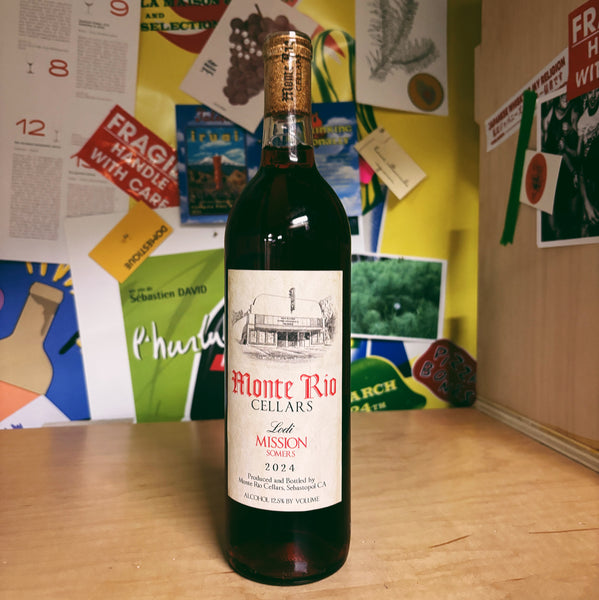
Lodi Mission 'Somers' 2024
$26.00
-

Zweigelt 2021 1L
$23.00
-

Vespolina 'Coda Rosa' 2024
$24.00
-

Rose of Gamay 2025
$33.00
-

Castelao 'Nat Cool' 1L
$31.00
-

Gamay 'La Boutanche' 2025 1L
$24.00
-

Pelaverga 'Basadone' 2024
$38.00
-
VdF Gamay 'Claudine' 2025
$36.00


