
Your cart is currently empty!


About the Wine: Grawü is the family project of Leila Würth and Dominic Grasselli, whose surnames together give the winery its name. After years of working in Bordeaux, Montalcino, Graubünden, and the Marche, Dominic settled in South Tyrol, where he and Leila began experimenting with natural winemaking rooted in purity, longevity, and a deep respect for their alpine terroir. In 2017, they found their own cellar in Cermes and officially brought Grawü to life—staying intentionally small so they can focus on the details that let grape, soil, and mountain air shine in every bottle.
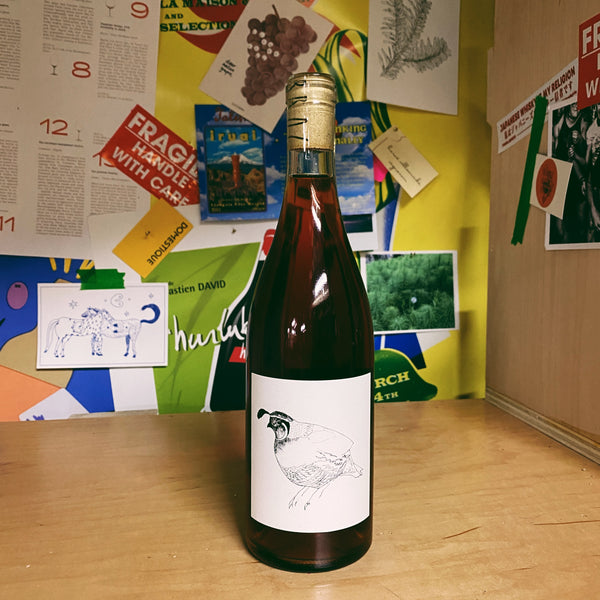
Their Pinot Grigio is grown on limestone soils at 350–500 meters, a brilliant pale cherry color and aromas of baked apple skin, cherries, spice, and wild herbs. With five days on the skins and 10 months resting on the lees in large oak and acacia barrels, it’s textured yet fresh, lifted by electric acidity and a long, mineral finish. Just 8,500 bottles are made annually.
Context: This wine may surprise you. Despite spending just five day on the skins, it shows a vivid rose-amber hue in the glass. That’s because Pinot Grigio (or Pinot Gris) is a natural mutation of Pinot Noir, giving the grape its distinctive greyish skins. With nearly 1,000 known clones, Pinot Grigio has long been a focus of experimentation and cultivation across the world.
When macerated, even briefly, Pinot Gris releases significant color without contributing the firm tannins you would expect if the same hue came from extended skin contact with white (green-skinned) grapes. This style, called Ramato, originated in Friuli but has since spread globally. Understanding the role of Pinot Gris reveals how often it appears in skin-contact wines—sometimes in small proportions—adding visual depth and complexity that belies its quiet presence.
- Rebekah
Related products
-

Skin Contact Blend 'O' 2024
$20.00
-
Grenache Gris 2023
$32.00
-

Vino Bianco 'Catavela' 2022
$31.00
-

Palomino 2021
$42.00
-

Skin Contact Pinot Gris 2022
$25.00
-
 On sale
THE WHOLE POT OF BEANS — GIFT BUNDLE
110.00 $100.00


